
Renewable Energy Solutions - Future for sustainable farming:
The agriculture industry is undergoing a transformation driven by the need for sustainable practices and the adoption of renewable energy solutions. These solutions not only help in reducing the carbon footprint but also enhance the efficiency and profitability of agricultural operations. Here’s a detailed look at how renewable energy is revolutionizing agriculture.
1. Solar Power
Solar Photovoltaic (PV) Systems:
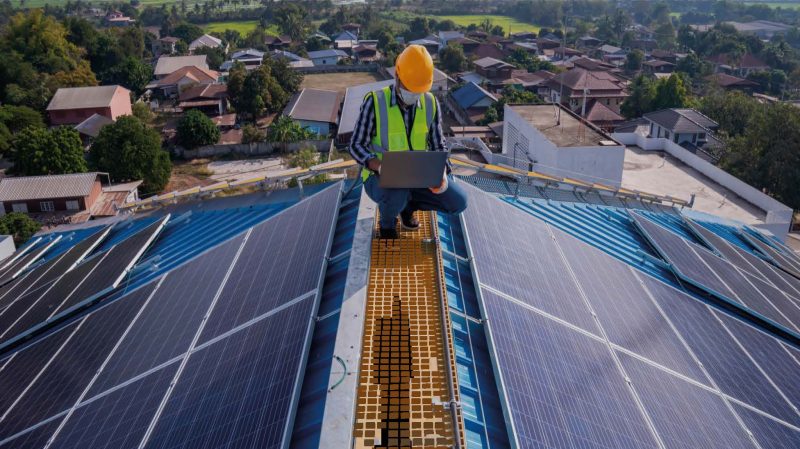
- On-Farm Solar Panels: Farmers are increasingly installing solar panels on rooftops of barns, farm buildings, and even on open fields. These panels can generate significant amounts of electricity, reducing dependency on grid power and lowering energy costs.
- Solar Water Pumps: Solar-powered water pumps are used for irrigation, eliminating the need for diesel or electric pumps. This not only reduces fuel costs but also ensures a reliable water supply, especially in remote areas.
Solar Drying Systems:
- Traditional crop drying methods often involve burning fossil fuels. Solar drying systems use solar collectors to capture and store heat, which is then used to dry crops efficiently and cost-effectively.
2. Wind Energy
Small-Scale Wind Turbines:
- Small wind turbines can be installed on farms to generate electricity. These turbines can power various farm operations, such as lighting, heating, and machinery, contributing to energy independence and cost savings.
Wind-Powered Water Pumps:
- Similar to solar pumps, wind-powered water pumps harness wind energy to pump water for irrigation or livestock. They are particularly useful in windy regions with limited access to conventional power sources.
3. Bioenergy
Biogas Production:
- Agricultural waste, such as manure, crop residues, and food waste, can be converted into biogas through anaerobic digestion. Biogas can be used for cooking, heating, and electricity generation. The by-product, digestate, is a nutrient-rich fertilizer that can be applied to fields.
Biomass Energy:
- Biomass from crop residues, wood chips, and other organic materials can be used to produce heat and electricity. Biomass boilers and gasifiers are commonly used to convert this material into usable energy.
4. Geothermal Energy
Geothermal Heat Pumps:
- Geothermal heat pumps use the stable temperature of the earth to heat and cool farm buildings. This technology can significantly reduce heating and cooling costs and is highly efficient.
Geothermal Greenhouses:
- Geothermal energy can be used to heat greenhouses, allowing for year-round crop production regardless of external weather conditions. This leads to increased yields and more efficient use of land.
5. Hydro Energy
Micro-Hydro Systems:
- Small-scale hydroelectric systems, or micro-hydro systems, can be installed on farms with access to flowing water. These systems generate electricity by capturing the energy of moving water, providing a reliable and continuous power source.
6. Integrating Renewable Energy Solutions
Energy Storage Systems:
- Integrating energy storage systems, such as batteries, with renewable energy sources ensures a steady supply of power even when the sun isn’t shining or the wind isn’t blowing. This is crucial for maintaining the reliability of farm operations.
Smart Grids and IoT:
- The use of smart grids and Internet of Things (IoT) devices allows for better management and optimization of energy usage. Farmers can monitor and control energy systems remotely, ensuring efficient operation and reducing waste.
Benefits of Renewable Energy in Agriculture
Cost Savings:
- Renewable energy systems can significantly reduce energy costs by lowering dependency on fossil fuels and grid electricity.
Environmental Impact:
- The adoption of renewable energy reduces greenhouse gas emissions and pollution, contributing to environmental sustainability.
Energy Independence:
- Renewable energy systems provide farmers with greater control over their energy supply, reducing vulnerability to energy price fluctuations and power outages.
Improved Efficiency:
- Renewable energy technologies, such as solar pumps and biogas systems, enhance the efficiency of farm operations, leading to increased productivity.
Sustainable Farming Practices:
- Integrating renewable energy with sustainable farming practices promotes long-term agricultural sustainability and resilience against climate change.
Conclusion
The agriculture industry stands to gain immensely from the adoption of renewable energy solutions. By harnessing the power of the sun, wind, water, and biomass, farmers can reduce their environmental impact, lower operational costs, and enhance the efficiency and sustainability of their operations. As technology continues to advance, the integration of renewable energy into agriculture will become increasingly feasible and beneficial, paving the way for a greener and more resilient agricultural future.
(Written by: Wayne Karie)