
Renewable Energy Innovations Transforming South African Agriculture industry
As South Africa grapples with energy constraints and climate change, renewable energy innovations are reshaping the agricultural industry by providing sustainable, efficient, and cost-effective power solutions. From solar-powered irrigation to bioenergy from agricultural waste, these advancements help improve productivity, reduce operational costs, and align with national sustainability goals.
1. Solar Power: A Revolution in Agricultural Energy
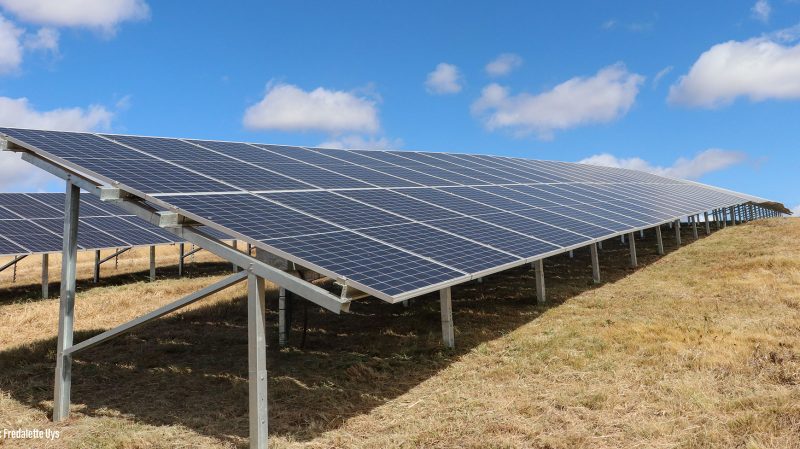
Solar power has become a cornerstone of renewable energy in South African agriculture, capitalizing on the country’s abundant sunlight. Solar photovoltaic (PV) panels are widely adopted across farms, enabling operations to function off-grid and maintain reliable energy supplies. Key applications of solar power include:
Irrigation and Water Pumps: Solar-powered pumps have transformed water access for farms, especially in remote areas with limited electricity access. These systems enable consistent irrigation, helping farmers manage crops through dry seasons and reduce dependence on unreliable grid power.
Greenhouse Heating and Cooling: Solar power has enabled more efficient temperature control in greenhouses, fostering optimal crop growth year-round. Solar panels power ventilation and cooling systems, reducing energy costs associated with climate control.
Processing and Storage Facilities: With solar energy, post-harvest processing and storage can operate efficiently, preserving product quality and extending shelf life. Solar solutions reduce food waste, a significant issue in areas without stable electricity access.
2. Biomass and Biogas: Turning Waste into Energy
South Africa’s agriculture industry generates substantial organic waste, which can be converted into bioenergy. Biomass and biogas technologies convert plant material, animal manure, and other organic matter into renewable energy, providing an eco-friendly way to manage waste while generating power. Key benefits and uses include:
Energy for On-Farm Operations: Biogas can be used for heating, lighting, and electricity generation on farms, reducing reliance on traditional fossil fuels. It offers a renewable alternative for powering farm machinery and processing facilities.
Fertilizer Production: The by-products of biomass energy processes, such as digested organic matter, can be repurposed as natural fertilizer, enhancing soil health and reducing the need for chemical fertilizers.
Waste Management: Biomass technology also addresses waste disposal challenges, as organic waste is converted into usable energy instead of being left to decompose or burn, which would contribute to greenhouse gas emissions.
3. Wind Energy: Harnessing Natural Power for Large-Scale Farms
In regions with high wind speeds, wind energy is emerging as a viable option for large-scale farms in South Africa. Although less common than solar power, wind turbines are being introduced to supplement electricity needs, particularly in the Western and Eastern Cape provinces.
Energy Independence: Wind turbines provide a dependable power source that can help farms reduce reliance on the grid, especially in times of load shedding or power cuts.
Synergies with Solar Power: Combining wind and solar energy enhances energy security, ensuring power availability during both sunny and windy conditions. This hybrid approach helps farms maintain continuous operations, reducing downtime.
4. Hydropower and Micro-Hydro Systems
For farms located near rivers or streams, hydropower offers a promising renewable energy option. Micro-hydro systems, in particular, are designed for small-scale applications, generating power from flowing water without large infrastructure demands. These systems are particularly beneficial in areas with reliable water flow, and their applications include:
Irrigation and Pumping: Micro-hydro systems can power irrigation pumps, supporting efficient water usage and reducing the cost associated with conventional pumping systems.
Supporting Livestock Operations: Hydropower can be utilized for providing water to livestock and powering basic operational needs, reducing the carbon footprint associated with livestock farming.
5. Emerging Technologies: Smart Energy Management
The integration of digital technologies like IoT (Internet of Things) and AI (Artificial Intelligence) has enhanced the efficiency of renewable energy use in agriculture. Smart systems allow farmers to monitor energy usage, optimize resources, and make data-driven decisions to improve productivity. Some examples include:
Remote Monitoring of Energy Systems: With IoT devices, farmers can monitor solar panels, wind turbines, and biogas digesters in real time, identifying maintenance needs or performance issues before they escalate.
Precision Agriculture: By combining renewable energy with precision agriculture, farmers can automate processes such as irrigation, pest control, and soil management, reducing resource use and environmental impact.
Benefits of Renewable Energy in Agriculture
Adopting renewable energy in agriculture brings numerous benefits for South African farmers, from cost savings to environmental advantages:
Reduced Operational Costs: Renewable energy systems reduce dependency on grid electricity and fossil fuels, helping farmers save on energy costs. Over time, these systems prove cost-effective despite the initial investment.
Environmental Sustainability: Renewable energy reduces carbon emissions and helps farms operate in harmony with environmental sustainability goals. The use of clean energy also attracts consumers who prioritize eco-friendly practices.
Resilience to Energy Instability: As South Africa experiences energy challenges, renewable sources provide a more consistent and reliable power supply, ensuring farming operations are less impacted by power disruptions.
Challenges and Future Prospects
While renewable energy is transforming South African agriculture, challenges remain, particularly regarding the high upfront costs and the technical expertise required for installation and maintenance. However, government initiatives, subsidies, and partnerships with private investors are paving the way for broader adoption.
Looking forward, as renewable technologies become more affordable and efficient, and as more training programs support local skill development, renewable energy is likely to become even more integral to South African agriculture. The government’s commitment to expanding renewable energy capacity will also support this growth, making farms across the country more sustainable, resilient, and competitive.
Conclusion
Renewable energy is reshaping the landscape of South African agriculture, driving sustainability and efficiency. With solar, biogas, wind, hydropower, and smart technologies, farms are moving toward a future that’s not only more environmentally conscious but also economically viable. As renewable energy adoption expands, South African agriculture is poised for a more sustainable and prosperous future, demonstrating the powerful impact of green energy on one of the continent’s most vital industries.