
Reduce Waste and Increase Efficiency with Precision Spray Systems
In recent years, the agricultural industry has witnessed a significant shift towards sustainable farming practices, driven by a growing awareness of environmental challenges, economic pressures, and the need for greater food production. One of the most promising innovations in modern agriculture is the advent of precision spray systems, a technology that is revolutionizing the way farmers manage pesticides, fertilizers, and water use. By utilizing advanced sensor technology, GPS, and data analytics, precision spray systems allow for more targeted and efficient application of resources, ultimately reducing waste and increasing overall farm efficiency.
What is a Precision Spray System?
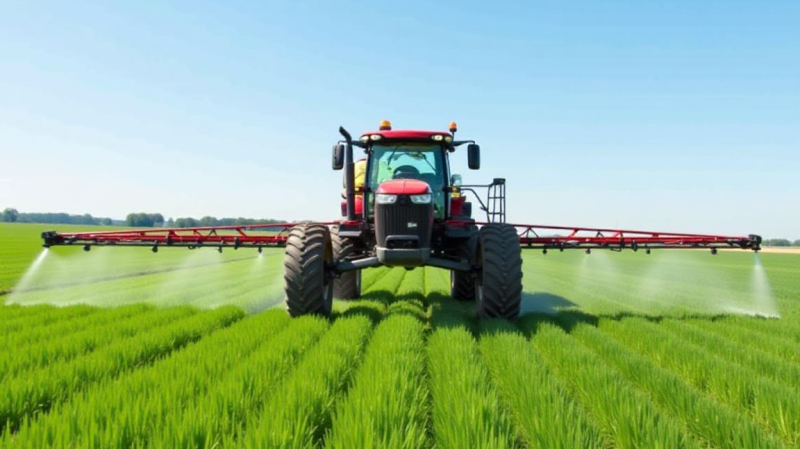
A precision spray system is a cutting-edge agricultural tool designed to optimize the application of chemicals, fertilizers, herbicides, and water across fields. These systems are equipped with sensors and GPS technology that allow for real-time monitoring and precision control, ensuring that the right amount of input is applied to the right areas at the right time. This tailored approach ensures that resources are used only where they are needed, minimizing excess usage and maximizing crop yield potential.
There are two primary types of precision spray systems:
Variable Rate Technology (VRT): This system adjusts the rate of application based on real-time field data, such as soil composition, crop health, and weather conditions. VRT technology allows for a more dynamic and adaptable spraying strategy, targeting specific areas of the field with precision.
Section Control Systems: These systems divide fields into smaller sections, and the spraying mechanism only activates when the sprayer passes over an area that requires treatment. This reduces overlap, ensuring that no part of the field is unnecessarily treated or under-treated.
Key Benefits of Precision Spray Systems
1. Waste Reduction
One of the most significant advantages of precision spray systems is the reduction of waste. Traditionally, farmers have applied pesticides, fertilizers, and herbicides across entire fields, even when certain areas might not require treatment. This over-application leads to significant waste, increased costs, and potential environmental damage. Precision spray systems minimize this waste by targeting only the areas that need attention, ensuring that inputs are used sparingly and efficiently.
By preventing over-application, these systems also reduce the risk of chemical runoff into nearby water sources, preserving local ecosystems and complying with environmental regulations. In addition, these systems help farmers conserve water, a resource that is increasingly scarce in many parts of the world, by applying it only where it is needed most.
2. Cost Efficiency
With the rising cost of chemicals, fertilizers, and water, farmers are under constant pressure to reduce operational expenses while maintaining or improving crop yield. Precision spray systems directly address this challenge by ensuring that inputs are applied only in the necessary amounts, reducing the overall consumption of costly resources.
In particular, by decreasing the amount of pesticides and fertilizers needed, farmers can cut costs while simultaneously improving soil health. This is especially important in the context of sustainable farming, where long-term soil fertility is a top priority. In the long run, these savings can add up significantly, providing farmers with a competitive edge in a market where margins are often thin.
3. Increased Crop Health and Yield
By precisely targeting the areas that need treatment, precision spray systems help to improve crop health. This not only leads to a reduction in crop stress caused by over-spraying but also increases the effectiveness of inputs such as fertilizers and pesticides. For example, when herbicides are applied only to areas with visible weeds, crop damage is minimized, and the herbicide can work more effectively in controlling pests or diseases.
In addition to reducing input waste, precision spraying enables farmers to provide crops with the exact nutrients and care they require at every stage of their growth. This results in healthier crops, increased yield, and better-quality produce, which is essential for both commercial farming and food security.
4. Data-Driven Decision Making
Precision spray systems come equipped with advanced data collection and analysis capabilities. These systems can generate detailed reports on field conditions, resource usage, and crop health. This wealth of data allows farmers to make informed decisions about when and where to apply inputs, monitor the effectiveness of their treatments, and track field variability.
This data-driven approach not only improves the immediate effectiveness of spraying operations but also helps farmers implement long-term strategies for soil and crop management. Over time, this leads to more sustainable farming practices, as farmers can adjust their methods based on precise, real-time data rather than relying on traditional trial-and-error techniques.
5. Environmental Benefits
The environmental impact of agriculture is a growing concern, with issues such as soil degradation, water contamination, and loss of biodiversity becoming increasingly pressing. By reducing chemical inputs and water usage, precision spray systems contribute to more sustainable farming practices.
By minimizing the use of chemicals, these systems help preserve beneficial insects, such as pollinators, and reduce the impact of pesticide resistance. Additionally, reducing water usage helps conserve a vital resource, especially in drought-prone regions where water conservation is critical.
The Future of Precision Spray Systems
As technology continues to evolve, precision spray systems will become even more sophisticated. The integration of artificial intelligence (AI), machine learning, and autonomous machinery will further streamline spraying operations, allowing for even greater efficiency. For instance, AI-driven systems could predict the optimal times and locations for spraying based on real-time weather forecasts and soil health data, further minimizing input waste.
Moreover, the continuous development of sensor technologies and drone capabilities will provide even more precision in applying inputs, making it possible to monitor and treat fields in real-time. These advancements will not only increase efficiency but also contribute to the long-term sustainability of the agricultural industry.
Conclusion
Precision spray systems represent a significant leap forward in the way we approach farming. By reducing waste, increasing efficiency, and promoting sustainable practices, these systems are helping farmers maximize productivity while minimizing their environmental footprint. As technology continues to advance, precision spraying will play an even more critical role in the future of agriculture, making it an essential tool for those looking to improve both the economic and environmental sustainability of their operations.
Incorporating these systems into farming practices offers a clear path forward: one where technology helps balance the demands of increasing food production with the necessity of preserving the planet for future generations. The future of farming is precise, efficient, and sustainable—and precision spray systems are leading the way.