
A New High for South Africa’s Agricultural Exports:
South Africa’s agricultural exports reached a record high in 2024. The value of exported farm products was about US$ 13.7 billion, marking the sixth consecutive year of growth.
That momentum has carried into 2025. In the first nine months of the year, exports reached approximately US$ 11.7 billion, representing a 10 % increase compared with the same period in 2024. In the first quarter of 2025 alone, agricultural exports rose by around 10 % year-on-year, totalling about US$ 3.36 billion.
Even though parts of the cropping sector — especially grains and oilseeds — suffered from a mid-summer drought in 2024, the overall export value rose. This was thanks to a strong harvest in fruit, a recovery in livestock, and good carry-over stocks of grain from the previous season.
Exports now include a wide range of agricultural products: citrus, grapes, maize, apples and pears, wine, nuts, fruit juices, sugar, berries, dates, tropical and stone fruits (like pineapples, apricots, peaches), avocados, wool — among others.
Where in the World Is South Africa Selling Its Produce?
The export growth isn’t only about more products — it’s also about reaching more and diverse markets around the world. Here’s how South Africa’s agricultural exports break down by destination region in recent years and 2025:
Africa (continental neighbours and region) remains the largest destination for South Africa’s farm exports. In 2024, about 44 % of export value went to African markets. In early 2025 this share remained substantial.
Asia and the Middle East collectively take a significant share — in 2024 about 21 % of exports went there. The demand from these regions includes citrus, nuts, fruit, wool, and other products.
European Union (EU) countries are also major buyers: in 2024 they accounted for a sizeable share of exports, purchasing wine, fruit, nuts, and other produce.
Other markets (Americas and beyond) make up a smaller fraction of exports, but still contribute to the overall global reach.
This geographic spread — with a heavy base in Africa plus strong demand from Europe, Asia, and other regions — shows that South Africa’s agricultural sector is not overly dependent on a single market. Instead, its export strategy is diversified, which helps manage risk when demand or prices shift in any one region.
What’s Fueling the Growth?
Several factors have combined to push agricultural exports to record levels:
Strong performance in fruit, horticulture and livestock has helped offset weaker grain and oilseed output caused by drought. The 2024 fruit harvest was robust, and livestock recovery added to exportable products.
Improved global prices and demand for commodities like fruit, nuts, wine and other high-value agricultural goods. Higher prices help raise overall export value even if volumes are steady.
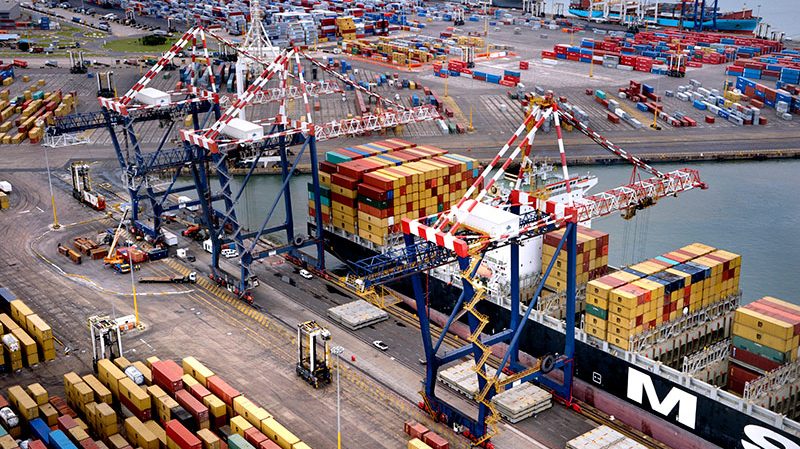
Better performance in logistics and ports, which has made it easier to get goods out of the country, even for perishable produce. Recent reforms and collaboration between the state and private actors have helped reduce delays.
Adherence to export requirements such as sanitary and phytosanitary standards (for fresh produce, animal products, etc.) — helping South African goods meet the demands of international buyers.
Given these drivers, the export growth appears not just the result of favorable weather or one-off events — it reflects structural strengths in South Africa’s agricultural export industry.
Key Policy Considerations Going Forward
While the current export picture looks promising, sustaining and building on this success requires careful attention to several policy issues:
Infrastructure and Logistics
To keep exports flowing efficiently — especially perishable items like fruit, vegetables, and wine — continued investment in port efficiency, cold-chain logistics, roads, and transport infrastructure is critical. Without it, spoilage, delays or higher costs could erode competitiveness.
Market Diversification and Trade Agreements
Maintaining and expanding access to a variety of global markets reduces dependence on any single region. Given global uncertainties (trade tensions, shifting policies, changing demand), South Africa should work on cultivating stable trade partnerships, and exploring new markets — especially in Africa, Asia, and emerging economies.
Support for Value-Added and Diversified Agriculture
Encouraging exports not just of raw agricultural commodities but also processed or value-added goods (e.g. packaged fruit products, processed foods, value-added nuts and wine) can increase resilience against commodity price swings and global competition. At the same time, supporting a diverse mix of crops and livestock helps buffer against climate or market shocks.
Regulation, Quality Control, and Compliance
Export markets — especially in the EU and parts of Asia — demand high standards on quality, phytosanitary compliance, and traceability. Ensuring that producers and exporters meet these requirements is vital for maintaining access to premium markets and avoiding rejections or reputational damage.
Supporting Small and Medium Farmers / Inclusive Growth
Large agribusinesses tend to benefit most from export growth. To ensure broader social and economic benefit, policies should support smallholder farmers and emerging producers, giving them access to infrastructure, export markets, and the tools to meet quality standards. This helps make export-driven growth more inclusive.
Resilience Against Environmental and Climate Risks
Agriculture is vulnerable to droughts, changing rainfall, extreme weather events, and long-term climate change. Policies supporting sustainable water use, drought-resistant crops, irrigation infrastructure, and climate adaptation will help safeguard future export capacity.
What This Means Regionally and Globally
For the African continent, South Africa’s success as an exporter is especially significant. By exporting staples (like maize, sugar, oils) and high-value produce (fruit, wine, nuts), South Africa helps supply regional demand, supports food security in neighbouring countries, and strengthens intra-Africa trade links.
Globally, South Africa is carving out a niche as a reliable supplier of high-quality horticultural products, fruits, wines and other agricultural commodities. This diversified export base helps integrate the country into global food and commodity value chains — which can attract foreign investment, stimulate agro-processing industries, and drive economic growth beyond agriculture itself.
South Africa’s record-breaking agricultural export performance — reaching US$ 13.7 billion in 2024 and showing strong growth in 2025 — reflects a maturing, resilient agricultural sector. The combination of good harvests (especially fruit), favorable global demand and prices, improved logistics, and a diversified export market has helped the country reach this milestone.
But this success also brings responsibility. To lock in long-term benefits, South Africa must continue investing in infrastructure, support small and medium farmers, ensure environmental resilience, and maintain market diversity through stable trade relations.
If managed well, agricultural exports can become a sustained engine of growth — contributing not only to national trade and GDP, but also to regional food security, job creation, rural development, and sustainable agro-economic transformation.