
South Africa's Agri-Export Boom: 7 Trends Every Grower, Buyer and Supplier Needs to Watch in 2026
South Africa’s agricultural export machine keeps setting new records — but 2026 is shaping up to be a year of records and risk. Citrus alone is on track to move somewhere between 205 and 215 million 15kg cartons this season, worth billions of rand, even as growers navigate floods, fuel costs and a volatile Middle East. For exporters, buyers and suppliers plugged into South Africa’s agribusiness value chain, understanding these currents isn’t optional — it’s the difference between capturing the opportunity and getting caught out by it.
Here are seven trends shaping the industry right now, and what each one means for the people doing business in it.
1. Citrus Is Still King — But the Margins Are Tightening
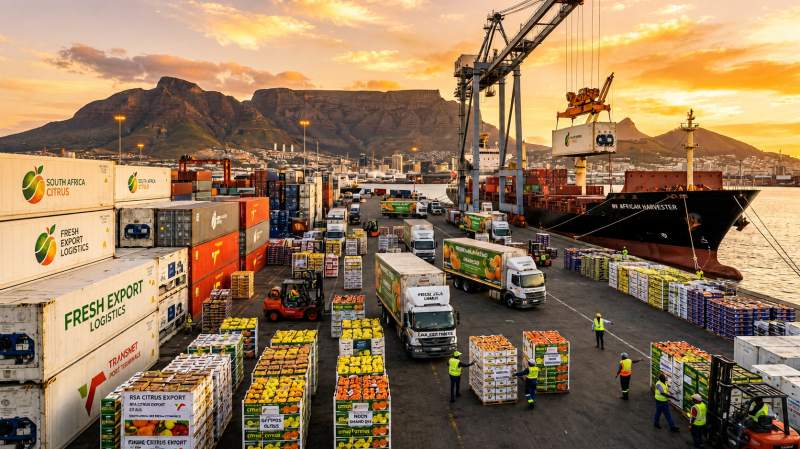
Citrus remains South Africa’s single largest agricultural export earner, bringing in an estimated R44.9 billion in 2025 and supporting around 140,000 jobs at farm level. The Citrus Growers’ Association expects total 2026 exports in the 205–215 million carton range, with lemons leading growth (up roughly 10% on the back of young orchards coming into production in the Sundays River Valley) and grapefruit close behind.
But the sector is absorbing real cost pressure: fuel accounts for 12–18% of production costs, roughly 95% of the crop moves to port by truck, and shipping rates have climbed sharply. For suppliers of logistics, packaging, cold-chain and fuel-efficiency solutions, this is a buyer base actively looking to cut cost per carton — a strong opening for a well-timed pitch.
2. The Middle East Corridor Is a Genuine Risk Line
Roughly 8–20% of South Africa’s agricultural exports (depending on the product line) move through Middle Eastern markets, and escalating regional conflict since early 2026 has disrupted shipping and demand. Growers and exporters are actively looking to diversify.
What this means for you: buyers in China, India, South Korea, the EU and the Americas represent the diversification story South African exporters are being pushed toward. If your business connects South African producers to any of these markets, position your outreach around “market access diversification” — it’s the phrase the industry itself is using right now.
3. Africa Is Quietly the Biggest Buyer of All
It’s easy to fixate on Europe and Asia, but in Q1 2026, the African continent absorbed 44% of South Africa’s total agricultural export value — more than the EU, Asia, the Middle East and the Americas combined. Maize, apples and pears, soybean, sugar, fruit juices and wine lead the list moving north across the continent.
The takeaway: intra-African trade is not the “emerging” story anymore — it’s the largest existing one. Businesses overlooking cross-border African logistics, trade finance, and distribution partnerships are ignoring nearly half the market.
4. Precision Irrigation Is Moving From Luxury to Standard
Water-use efficiency has shifted from a nice-to-have to a competitiveness issue. Established players are reporting decades-long partnerships with large sugarcane, citrus and blueberry operations across the region, expanding precision drip and fertigation systems into new crops like macadamias, apples and sugar beans.
Why it matters for the directory’s readers: as input costs rise and water security becomes a harder constraint, irrigation, fertigation and soil-monitoring suppliers have an increasingly receptive audience among mid-to-large commercial growers — not just the largest estates.
5. Equipment Manufacturers Are Actively Hunting African Distributors
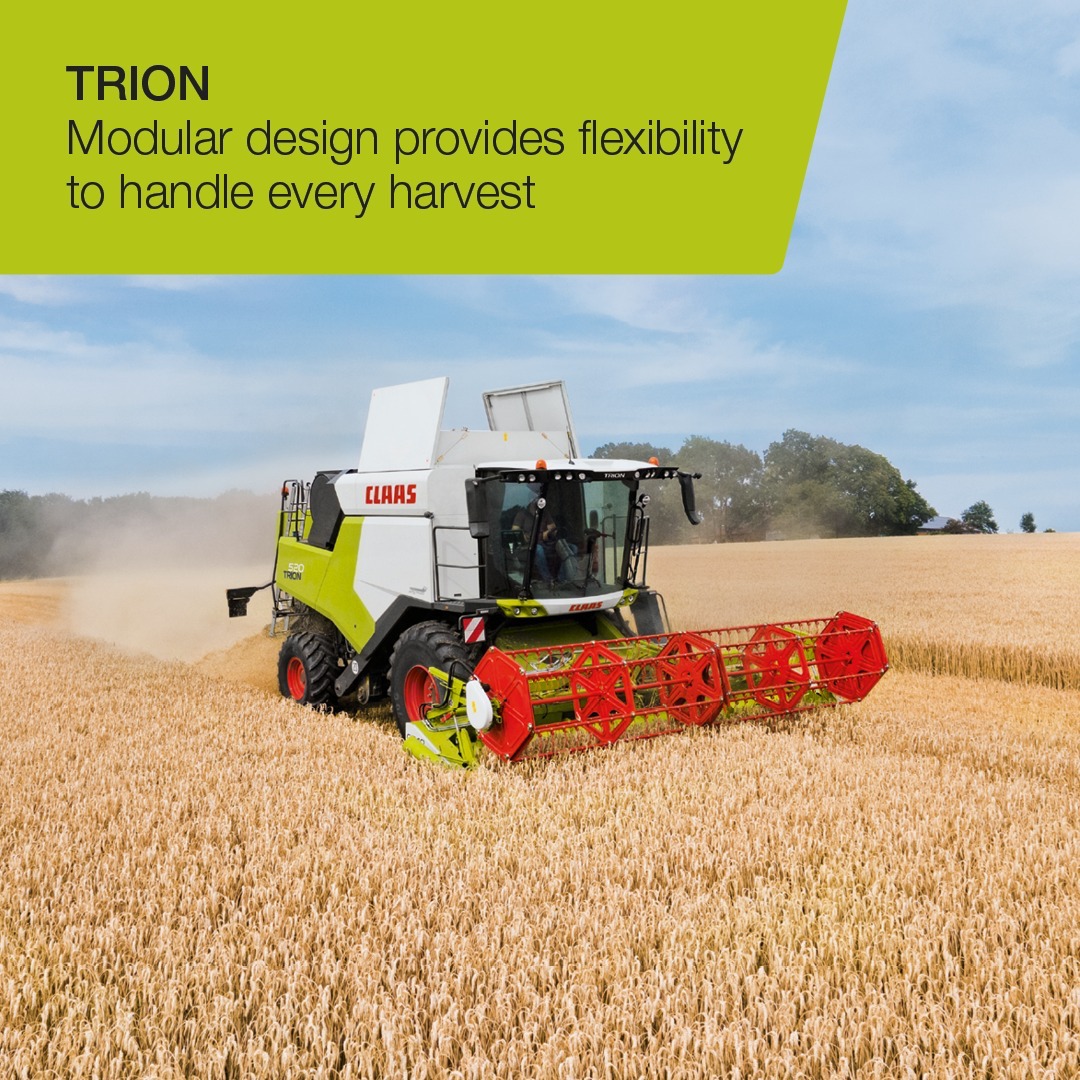
International machinery manufacturers — particularly from Europe — are explicitly naming Africa as a growth target for exports, citing expanding mechanised agriculture as the draw. That means dealer networks, local distribution partners and after-sales service capacity are open, live opportunities right now, not backlog.
Action point: if you’re a South African business offering distribution, import/export facilitation, or equipment servicing, this is a moment to be visible and easy to find — which is exactly what a strong business directory listing is for.
6. Trade Policy Uncertainty Is a Live Commercial Variable
Tariff exposure to the United States and ongoing negotiations over market access to China, India and Japan are front-of-mind for industry bodies like the Citrus Growers’ Association and Agbiz. Government has already stepped in once this year with a temporary fuel levy cut to ease pressure on exporters.
For buyers and suppliers: policy risk is no longer background noise — it’s a factor worth building into contracts, pricing and forward planning discussions with South African partners.
7. The Sector Runs on Relationships — and Relationships Need Visibility
Across almost every trend above, the common constraint isn’t demand — it’s connection. Producers need distributors. Distributors need reliable local suppliers. Overseas buyers need vetted South African exporters they can trust. This is precisely the gap a structured, well-maintained agribusiness directory exists to close.
Bottom Line
2026 is a year of scale and strain at the same time: record export volumes sitting alongside real cost, logistics and geopolitical pressure. The businesses that will win are the ones who can move fast on diversification, cost efficiency and new distribution relationships — and who are easy to find when a buyer or partner comes looking.
Sources: Citrus Growers’ Association of Southern Africa (CGA),