Herd Mentality: The New Technologies Transforming African Dairy Farming
Africa’s dairy industry is entering a new era. As demand for fresh milk and dairy products continues to rise alongside rapid population growth and urbanisation, farmers are increasingly embracing technology to improve productivity, profitability, and sustainability. From smart collars that monitor animal health to robotic milking systems and artificial intelligence (AI)-powered herd management, digital innovation is reshaping how dairy farms operate across the continent.
Meeting Growing Demand
Africa’s dairy sector plays a vital role in food security, nutrition, and rural employment. However, many producers continue to face challenges including low milk yields, disease outbreaks, feed shortages, climate change, and rising production costs. Modern technologies are helping farmers address these challenges by providing accurate, real-time information that supports faster and more informed decision-making.
Precision Livestock Farming
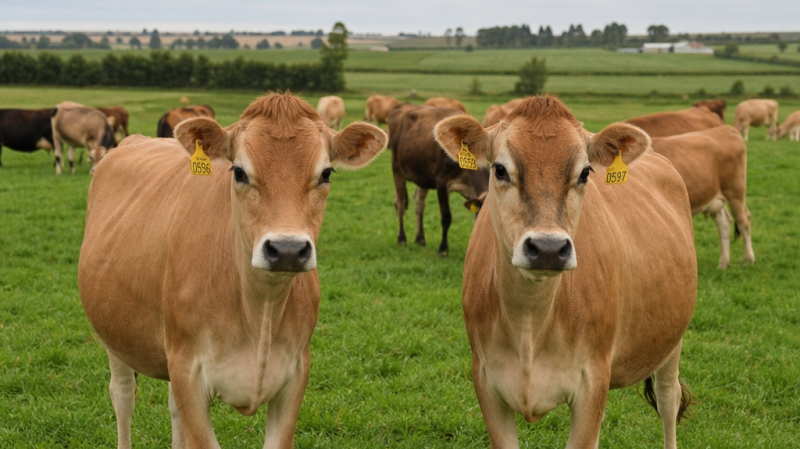
One of the most significant developments is Precision Livestock Farming (PLF), where sensors and connected devices continuously monitor the health and behaviour of dairy cows.
Wearable collars, ear tags, and leg sensors can measure:
- Activity levels
- Feeding behaviour
- Rumination
- Body temperature
- Heat detection
- Early signs of illness
This information is transmitted to a smartphone or computer, allowing farmers to identify health issues before they become serious. Early intervention reduces veterinary costs, improves animal welfare, and helps maintain consistent milk production.
Smart Herd Management
Cloud-based herd management software is becoming increasingly accessible to commercial and medium-scale dairy farms throughout Africa. These systems maintain detailed records for every animal, including breeding history, milk production, vaccinations, treatments, and reproductive performance.
The technology enables farmers to:
- Track individual animal performance
- Schedule vaccinations and breeding programmes
- Monitor pregnancy status
- Analyse milk production trends
- Improve genetic selection
Digital record-keeping also assists dairy cooperatives and processors in maintaining traceability and meeting international quality standards.
Automated Milking Technologies
Although robotic milking remains more common in developed markets, automated milking equipment is gradually gaining interest among larger African dairy producers seeking improved labour efficiency and consistent milk quality.
Modern milking systems can:
- Identify individual cows automatically
- Measure milk yield for each animal
- Monitor milk conductivity to detect mastitis
- Maintain consistent milking routines
- Reduce contamination risks
Automation allows farm workers to focus more on herd management rather than repetitive manual tasks.
Artificial Intelligence and Predictive Analytics
Artificial intelligence is becoming an increasingly valuable management tool in dairy farming. By analysing large volumes of farm data, AI systems can predict health problems, optimise feeding programmes, forecast milk production, and improve breeding decisions.
Machine learning algorithms help identify patterns that may not be visible through traditional observation, enabling farmers to act before problems affect productivity.
Drone and Satellite Technologies
Drones are now assisting dairy farmers with pasture management and forage production. High-resolution aerial imagery enables farmers to monitor grazing conditions, assess pasture quality, detect water stress, and identify irrigation requirements.
Satellite data also supports better land management by helping farmers plan grazing rotations and maximise available feed resources throughout changing seasons.
Smart Feeding Solutions
Feed represents one of the largest operating costs on dairy farms. Precision feeding technologies help optimise nutrition while reducing waste.
Automated feeding systems calculate the correct feed ration for each production group based on age, weight, milk yield, and stage of lactation. Improved nutrition leads to healthier animals, higher milk production, and better feed conversion efficiency.
Renewable Energy on Dairy Farms
Many African dairy farms are investing in renewable energy solutions to reduce operating costs and improve reliability.
Solar-powered systems are increasingly used for:
- Water pumping
- Milk cooling
- Electric fencing
- Lighting
- Automated feeding equipment
Biogas systems convert animal manure into renewable energy while producing valuable organic fertiliser, creating both environmental and financial benefits.
Digital Financial Services
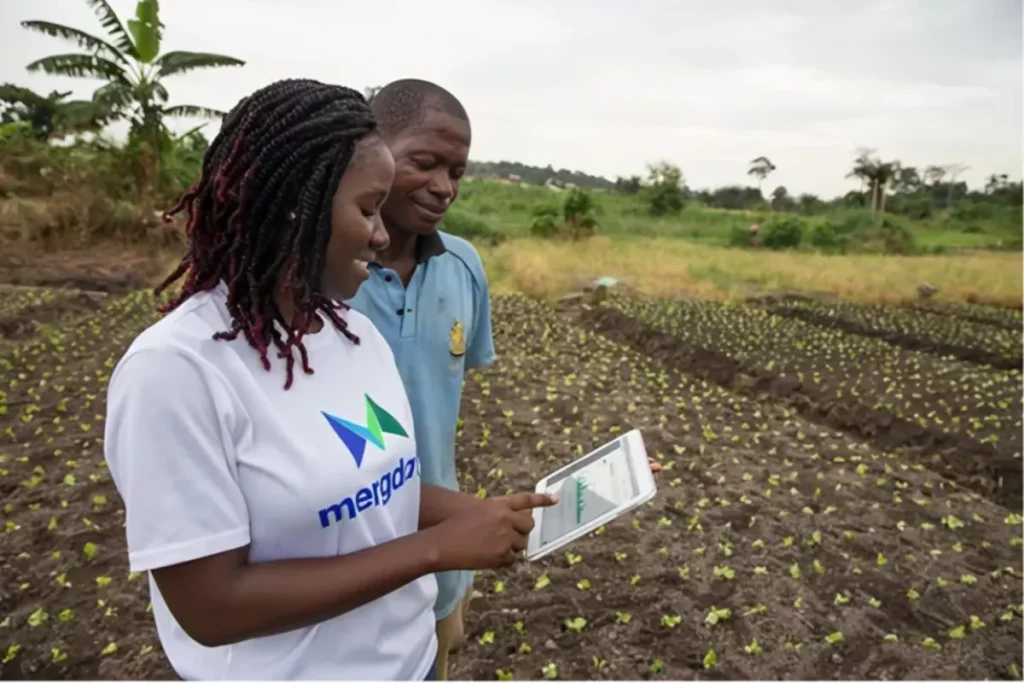
Mobile technology has simplified financial management for dairy farmers. Digital payment platforms enable faster transactions between farmers, milk processors, cooperatives, and suppliers.
Access to digital financial records also improves farmers’ ability to secure loans, insurance, and investment for business expansion.
Improving Sustainability
Technology is also helping the dairy industry meet growing environmental expectations. Smart monitoring systems improve water efficiency, reduce feed waste, minimise greenhouse gas emissions, and support better manure management.
Consumers and international markets increasingly demand sustainably produced dairy products, making environmental performance an important competitive advantage.
Building the Dairy Farm of the Future
The future of African dairy farming lies in combining traditional livestock expertise with modern technology. As digital tools become more affordable and widely available, farms of all sizes will benefit from improved productivity, healthier animals, and more efficient operations.
Success will depend not only on adopting new technologies but also on investing in farmer training, rural connectivity, reliable infrastructure, and strong partnerships between governments, agricultural institutions, equipment suppliers, and technology providers.
The transformation is already underway. Across Africa, smart technologies are helping dairy farmers produce more milk with fewer resources while building resilient, profitable, and sustainable businesses capable of feeding a growing continent.