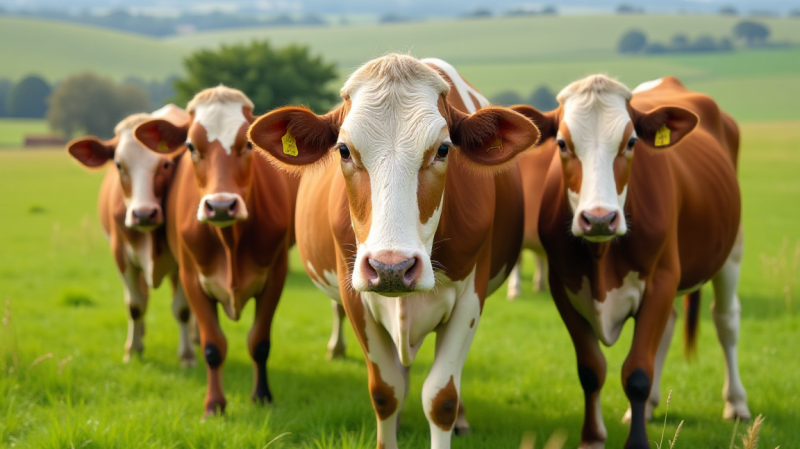

Supporting dairy farmers, Tetra Pak unveils the Dairy Hub Handbook as a practical resource for the industry.
In anticipation of World Milk Day on June 1, Tetra Pak has introduced the Dairy Hub Handbook—a comprehensive guide to its Dairy Hub model. The handbook outlines the purpose, setup, and benefits of the initiative, positioning it as a practical approach to enhancing food security and nutrition. It reflects the company’s dedication to supporting local customers and collaborating with NGOs and international aid organisations to strengthen dairy value chains.
The Dairy Hub model connects smallholder farmers with a dedicated dairy processor in a specific region. By equipping farmers with hands-on training and developing essential milk collection infrastructure and technology, the initiative increases the production of high-quality local milk and reduces food loss. This creates a reliable milk supply for processors and provides farmers with access to formal markets, enhancing their productivity, income, and overall livelihood.
Lars Holmquist, Executive Vice President at Tetra Pak, stated:
*”Access to adequate food is a basic human right, essential for the enjoyment of other rights, as recognised by the United Nations. With the global population projected to reach nearly 10 billion by 2050, the dairy sector plays a key role in global nutrition. Furthermore, the livelihoods of around one billion people are linked to the dairy industry. In low-income countries, the FAO estimates there are 238 dairy farms per 10,000 people.
This is why Tetra Pak launched the Dairy Hub projects in 2011. These initiatives support the UN’s Sustainable Development Goals by improving profitability in subsistence milk farming, which in turn drives socioeconomic progress for farmers, communities, and entire countries. As we mark World Milk Day, we invite more partners—customers, NGOs, and development agencies—to join us in building resilient, sustainable dairy value chains.”*
Tatiana Liceti, Executive Vice President, Market Operations at Tetra Pak, added:
“Milk and dairy products provide essential nutrition to billions worldwide and are a fundamental component of sustainable diets in many nations. A robust dairy sector can also stimulate economic growth by improving nutrition, generating employment, and contributing to GDP. By linking smallholder farmers with local dairy processors, Dairy Hubs are instrumental in fostering a sustainable dairy ecosystem in countries where the industry is still emerging.”
Since its inception in 2011, the Dairy Hub initiative has continued to grow, with 29 projects established across the globe, benefiting more than 84,500 smallholder farmers
To explore detailed case studies and success stories, visit tetrapak.com.
to date.